
Ultimate Guide To Essential Products For Concrete Leveling
Learn about the most effective tools and supplies that make concrete leveling faster, safer, and more reliable for all applications.
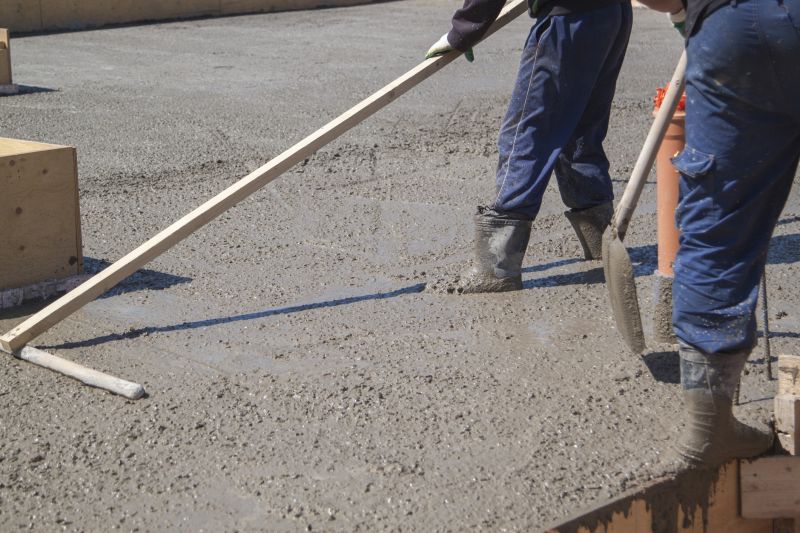 Concrete leveling is an essential process for maintaining the safety, appearance, and functionality of various surfaces around homes and commercial properties. Over time, concrete slabs can settle, crack, or become uneven due to soil movement, moisture changes, or aging. Selecting the right products for concrete leveling can help address these issues efficiently and effectively. These products are designed to restore the surface's levelness, improve safety, and extend the lifespan of concrete structures.
Top Overall Option
Polyurethane Concrete Leveling Kit
Polyurethane-based leveling kits are versatile and minimally invasive, offering fast curing times and strong adhesion. They are suitable for a variety of applications, including filling voids and leveling uneven slabs. These kits typically include all necessary components for a straightforward application process, making them a popular choice for both DIY enthusiasts and professionals seeking reliable results.
Types of Products For Concrete Levelings
Polyurethane Foam
A lightweight, quick-curing foam used to fill voids and lift slabs, often applied with specialized equipment for even distribution.
Mudjacking Slurry
A traditional slurry mixture of cement, sand, and water used to lift and level concrete surfaces.
Self-Leveling Underlayment
A liquid compound that flows easily to create a smooth, level surface for flooring or repair work.
Concrete Repair Epoxy
Epoxy formulations designed for filling cracks and bonding broken sections of concrete.
Polymer-Modified Cement
A cement mixture enhanced with polymers to improve adhesion and flexibility for leveling and repair.
Hydraulic Cement
A fast-setting cement used to stop leaks and repair cracks in concrete surfaces.
Liquid Cement Patch
A pourable patching compound suitable for minor surface repairs and leveling.
Concrete Resurfacer
A thin-layer coating that restores the surface appearance and smoothness of worn or damaged concrete.
Fiber Reinforced Patch
A patching material containing fibers to enhance strength and crack resistance.
Cement-Based Patching Compound
A versatile patching material suitable for filling cracks and minor surface imperfections.
Quick-Set Concrete Mix
A fast-curing concrete mixture used for small repairs and patching projects.
Flexible Concrete Sealant
A sealant designed to accommodate movement and prevent water intrusion in cracks.
Grout for Concrete Repair
A flowable grout used to fill voids and level slabs with precision.
Polyurea Coating
A durable coating that can be used for sealing and leveling surfaces with flexibility.
Epoxy Injection Kit
A kit designed for injecting epoxy into cracks to restore structural integrity.
Slab Jacking Foam
Specialized foam used in slab jacking to lift and stabilize uneven concrete surfaces.
Concrete Crack Filler
A simple filler suitable for minor cracks and surface imperfections.
Popular Choices
Widely used for its ease of application and quick curing, suitable for various leveling projects.
A traditional method favored for its affordability and effectiveness in lifting slabs.
Popular for smoothing surfaces and minor repairs with minimal effort.
A common choice for crack filling and structural repairs due to its strong bond.
Chosen for restoring worn surfaces and creating a uniform appearance.
Popular for sealing leaks and quick crack repairs in concrete structures.
Valued for their enhanced crack resistance and durability in repairs.
Favored for small surface repairs and minor leveling tasks.
Often selected for its improved adhesion and flexibility in repair projects.
Popular for small, quick repairs requiring minimal downtime.
Chosen for their ability to accommodate movement and prevent water intrusion.
Commonly used for raising and stabilizing uneven slabs efficiently.
The market offers a wide range of options, from DIY repair kits to professional-grade solutions. Many products are formulated to be user-friendly, allowing homeowners and contractors to perform repairs with minimal specialized tools. Proper application and selection of the appropriate product depend on the extent of the unevenness, the type of concrete surface, and the specific conditions of the site.
When choosing products for concrete leveling, it is important to consider the ease of use, curing time, and the ability to address different types of cracks or uneven areas. Some products are better suited for small cracks and minor adjustments, while others are designed for larger, more significant leveling projects. Ensuring compatibility with existing concrete and understanding the product’s long-term performance can help achieve satisfactory results.
Overall, investing in quality concrete leveling products can prevent further damage, reduce repair costs, and improve the safety and aesthetics of outdoor and indoor surfaces. Whether for residential driveways, sidewalks, or commercial floors, selecting the right tools and materials is crucial for successful and durable repairs.
Key Buying Considerations
- Extent of unevenness or damage to determine suitable product type
- Ease of application based on your skill level and available tools
- Curing or drying time to ensure project timelines are met
- Compatibility with existing concrete surfaces and materials
- Strength and durability of the repair material for long-term results
- Flexibility of the product to accommodate future ground movement
- Water resistance and sealing capabilities to prevent future damage
- Size and coverage area of the product to match project scope
- Environmental conditions such as temperature and humidity during application
- Cost considerations balanced with product quality and performance
- Availability of necessary accessories or tools for application
- Manufacturer instructions and recommended usage for best results
- Potential need for professional assistance for larger or complex repairs
- Reputation and reviews of the product for reliability and user satisfaction
- Post-application maintenance or follow-up requirements